
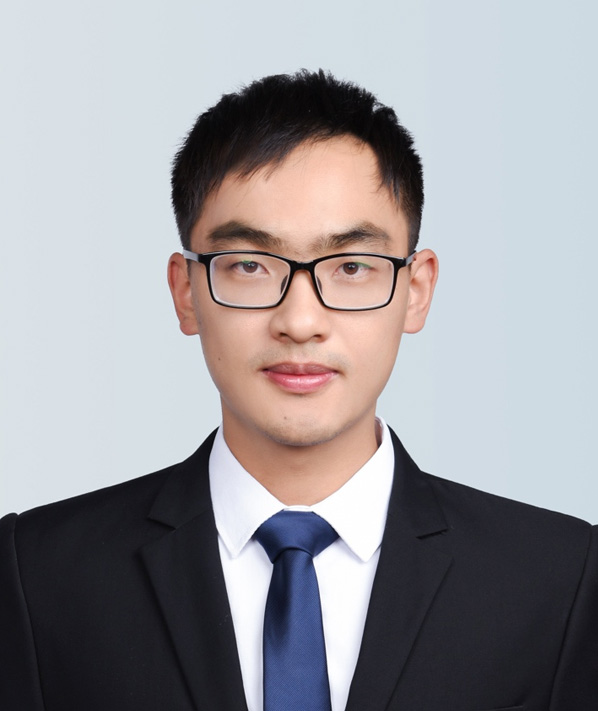

Ruilin Tian is an assistant professor in School of Medicine, SUSTech. Ruilin completed his bachelor's degree in biological sciences at Peking University in 2015. He obtained his PhD degree from University of California, San Francisco (UCSF) in June 2020 in Dr. Martin Kampmann’s lab. After that, he continued his postdoc training in Martin’s lab. Ruilin joined SUSTech in the end of 2020. During his PhD and postdoc, he pioneered a CRISPR-based functional genomics platform in human iPSC-derived neurons, which enables genome-wide modifier screens of disease-relevant cell biology to uncover disease mechanisms and identify novel therapeutic strategies.
The Tian lab’s research focuses on understanding cellular and molecular mechanisms of human diseases, especially neurodegenerative and neurodevelopmental disease, using innovative genomics and cell biology technologies. Our lab also develops new CRISPR-based functional genomics tools to facilitate our biomedical research.
Cellular and molecular mechanisms of human neurological diseases
Glia-neuron interaction
CRISPR-based functional genomics technology development
2015.9 – 2020.6 Ph.D. in Biophysics Adviser: Dr. Martin Kampmann
University of California, San Francisco, CA, USA
2011.9 – 2015.6 B.S. in Biological Sciences
Peking University, Beijing, China
2020.6 – 2020.12 Postdoc Adviser: Dr. Martin Kampmann
University of California, San Francisco, CA, USA
2016 Tau consortium fellowship by the Tau consortium
2015 Graduation with honor: Outstanding Undergraduate Award of Peking University
2015 Graduation with honor: Outstanding Undergraduate Award of Beijing, China
2014 National Scholarship by Chinese government
2013 May Fourth Scholarship by Peking University
Samelson, A., Tran, Q.D., Robinot, R., ... , Tian, R.*, Kampmann, M.* (2022). BRD2 inhibition blocks SARS-CoV-2 infection by reducing transcription of the host cell receptor ACE2. Nature Cell Biology, 10.1038/s41556-021-00821-8 (* corresponding authors)
Tian, R.*, Abarientos, A., Hong, J., Hashemi, S. H., Yan, R., Nalls, M. A., ... & Kampmann, M.* (2021). Genome-wide CRISPRi/a screens in human neurons link lysosomal failure to ferroptosis. Nature Neuroscience, 10.1038/s41593-021-00862-0 (* corresponding authors)
Semesta, K. M.,Tian, R., Kampmann, M., von Zastrow, M., & Tsvetanova, N. G. (2020). A high-throughput CRISPR interference screen for dissecting functional regulators of GPCR/cAMP signaling. PLoS genetics, 16(10), e1009103.
Ramkumar, P., Abarientos, A. B., Tian, R., Seyler, M., Leong, J. T., Chen, M., ... & Kampmann, M. (2020). CRISPR-based screens uncover determinants of immunotherapy response in multiple myeloma. Blood advances, 4(13), 2899-2911.
Guo, X., Aviles, G., Liu, Y., Tian, R., Unger, B.A., Lin, Y.H.T., Wiita, A.P., Xu, K., Correia, M.A. and Kampmann, M., (2020). Mitochondrial stress is relayed to the cytosol by an OMA1–DELE1–HRI pathway. Nature, 579(7799), pp.427-432.
Tian, R., Gachechiladze, M.A., Ludwig, C.H., Laurie, M.T., Hong, J.Y., …, Ward, M.E. & Kampmann, M., (2019). CRISPR interference-based platform for multimodal genetic screens in human iPSC-derived neurons. Neuron, 10.1016/j.neuron.2019.07.014
Ramkumar, P., Tian, R., Seyler, M., Leong, J. T., Chen, M., Choudhry, P., ... & Kampmann, M., (2019). CRISPR-based screens uncover determinants of immunotherapy response and potential combination therapy strategies. bioRxiv, 833707.
Torres, S.E., Gallagher, C.M., Plate, L., Gupta, M., Liem, C.R., Guo, X., Tian, R., Stroud, R.M., Kampmann, M., Weissman, J.S. and Walter, P., (2019). Ceapins block the unfolded protein response sensor ATF6α by inducing a neomorphic inter-organelle tether. eLife, 8.
Chen, J.J., Nathaniel, D.L., Raghavan, P., Nelson, M., Tian, R., …, and Kampmann, M., (2019). Compromised function of the ESCRT pathway promotes endolysosomal escape of tau seeds and propagation of tau aggregation. Journal of Biological Chemistry, pp.jbc-RA119.
Zhang, Y. J., Guo, L., ... Tian,R., … & Petrucelli, L. (2019). Heterochromatin anomalies and double-stranded RNA accumulation underlie C9orf72 poly (PR) toxicity. Science, 363(6428), eaav2606.
Boettcher, M., Tian, R., Blau, J. A., Markegard, E., Wagner, R. T., Wu, D., ... & McManus, M.T., (2018). Dual gene activation and knockout screen reveals directional dependencies in genetic networks. Nature biotechnology, 36(2), 170.
Mavor, D., Barlow, K. A., …, Tian, R., … , Kampmann, M. & Fraser, S. J., (2018). Extending chemical perturbations of the ubiquitin fitness landscape in a classroom setting reveals new constraints on sequence tolerance. Biology open, 7(7), bio036103.
Pal, S., Lant, B., Yu, B., Tian, R., Tong, J., Krieger, J. R., ... & Derry, W. B. (2017). CCM-3 promotes C. elegans germline development by regulating vesicle trafficking cytokinesis and polarity. Current Biology, 27(6), 868-876.
Xie, Z., Jay, K.A., Smith, D.L., Zhang, Y., Liu, Z., Zheng, J., Tian, R., Li, H. and Blackburn, E.H. (2015). Early telomerase inactivation accelerates aging independently of telomere length. Cell, 160(5), pp.928-939.
He, C., Tsuchiyama, S.K., Nguyen, Q.T., …, Tian, R., …, Kennedy, K.B. & Polymenis, M., (2014). Enhanced longevity by ibuprofen, conserved in multiple species, occurs in yeast through inhibition of tryptophan import. PLoS genetics, 10(12), p.e1004860.
